
DYING IV
A few last things to share, in thanks.

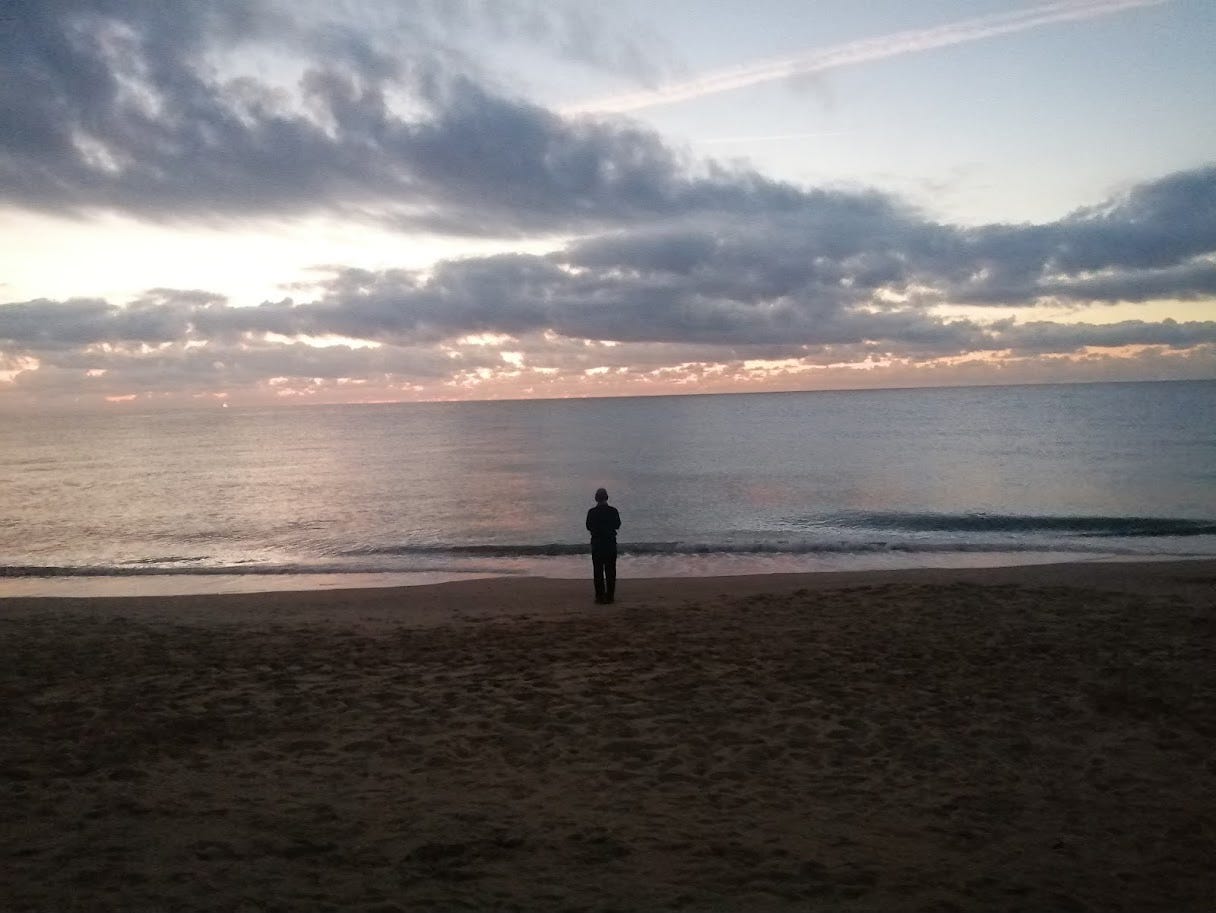
I count it as a blessing to have had the chance to work in the field of death and dying for the past twenty-five years. I was frequently asked when I first started: Doesn’t it affect you? And my answer then, as now, is that, of course it does. The presumed implication is that it must be depressing to be constantly with the dying and the grieving. But it isn’t. In fact, the opposite, which doesn’t mean that it does not take its toll from time to time. The heart understands pain. Other people’s suffering touches us, and I don’t think anybody working in this field can stop being affected unless they develop strategies to save themselves from feeling, in which case they probably should look for another line of work. Numbness that passes for equanimity is never beneficial to the companion or the person being accompanied.
When the dying is painful or protracted it is particularly challenging. In recent years the advances in palliative care have meant that the physical pain can be mostly controlled. But then there is what can be called the soul pain - the distress, grief and fear of the person nearing the gateway - as well as the intense emotions of the partner or the family. Often there is nothing to do or say in these situations except to offer our compassionate presence. Through these episodes I have learnt that compassion is a powerful medicine that is basic to the whole process, and the fact that it can bring comfort makes the work worthwhile.
Then there are those who reach deep peace at the end of their journey. Just as fear and sadness are contagious, so too is that sense of peace beyond understanding, that the late Dr. Kubler Ross, the pioneer in this field, calls acceptance, and that I have come to see not only as the acceptance of the dying person but the embrace of the transcendent, or whatever else you care to call that dimension that is bigger than our little fragile bodies, our vulnerable hearts, and our volatile minds.

Being near death and dying over the past 25 years has given me a perspective on living that I could not have received from any books, or wise teachings, or religion. It is direct and needs no interpretation. I have often come out of the room where someone has just died feeling as though all my senses have been reawakened to the mystery of being alive and conscious, and that everything around me, the ordinary, everyday stuff usually taken for granted, is vibrant and extraordinary. And, over the years, listening to the regret of those who talk of how they felt they had wasted their time conforming to what was expected of them, or chasing after things that brought no peace or happiness in the end, or how they hung on to old painful narratives, has helped me to recognize and honour the really important things in life, as well as to let go of the baggage of grievances I used to carry around. But the main lesson from having had death so close is simply to learn to stay gently awake, not to sleepwalk through the days, and to embrace everything that happens, the good, the bad, the happy, the sad, knowing that our time on earth is brief and precious. In the end this is what death and dying has given me. A full life and glimpses into love.

.